How Logistics Startups Are Cracking Delivery Challenges

Deborah Osifeso
Click to view profile
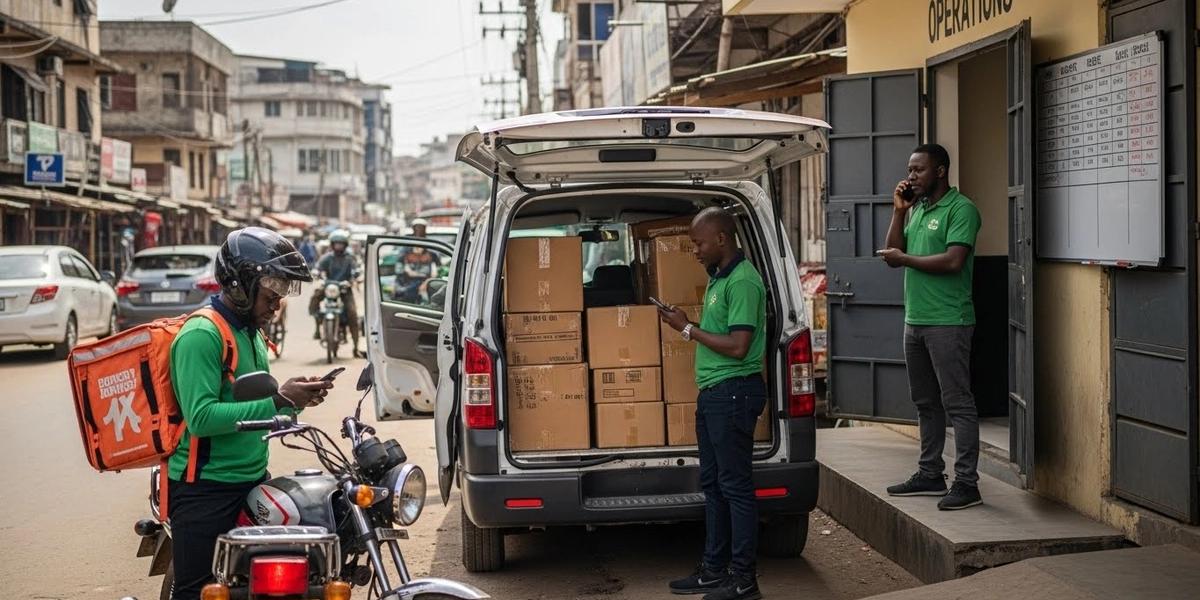
Africa’s delivery problem is not theoretical. It is physical, fragmented, and felt daily by businesses and consumers alike. Poor addressing systems, traffic congestion, informal retail networks, and cross-border trade frictions have long made logistics one of the continent’s hardest problems to solve at scale.
Yet logistics startups are no longer simply reacting to these constraints. Across Africa, founders are building delivery businesses that reflect local trade patterns, urban density, and payment behaviour. The result is a new generation of logistics companies providing updates and trends that global operators now study closely.
Why Last Mile Delivery Keeps Breaking
Last-mile delivery remains the most expensive and operationally complex part of logistics across African cities. Informal addresses, unpredictable traffic, and dense urban settlements force startups to rethink routing, staffing, and customer communication from the ground up.
According to the World Bank, logistics costs in Africa can account for up to 40% of the final price of goods, compared to about 15% in developed markets. For founders, this cost gap is not a barrier but a signal that efficiency gains can translate directly into competitive advantage.
Building Around Informal Commerce and SMEs
African logistics startups gain traction when they design for informal commerce rather than trying to replace it. Small retailers, market traders, and social sellers drive daily trade, yet many traditional logistics systems were never built with them in mind.
Companies such as Kobo360, Lori Systems, and TradeDepot integrated logistics into SME workflows through inventory financing, demand planning, and supplier access. This turns delivery into a business service rather than a single transaction, increasing retention and long-term value.
Data, Not Warehouses, Is the Competitive Edge
Early logistics ventures often assumed that scale required heavy physical infrastructure. Many have since learned that data-driven decision-making shapes margins more than fleet size or warehouse footprint.
McKinsey reports that data-led supply chain optimisation can reduce logistics costs by up to 15% globally. African startups apply this by building flexible systems that adjust to street-level realities rather than ideal conditions.
Cross-Border Logistics and Regional Trade Friction
Moving goods across African borders remains slow and costly, even within regional trade agreements. Customs delays, inconsistent paperwork, and fragmented transport networks continue to limit scale beyond single markets.
The African Development Bank estimates that intra-African trade accounts for only about 15% of total trade on the continent. Logistics startups see opportunity in standardising documentation and improving predictability rather than chasing speed alone.
Talent, Trust, and the Human Layer
Logistics may be powered by technology, but execution depends on people. Riders, dispatchers, warehouse staff, and customer support teams shape daily performance more than software alone.
Startups that invest in training, fair incentives, and open communication outperform those focused only on rapid growth. Founders who spend time on the ground gain insights that no dashboard can replace, strengthening trust and operational consistency.
Investor Expectations Are Shifting
Investors are becoming more selective about logistics startups as the sector matures. Unit economics, asset efficiency, and regulatory awareness now matter more than raw expansion metrics.
Capital increasingly favours founders who show discipline early, communicate risks clearly, and understand local operating realities. This shift rewards logistics companies built for durability rather than hype driven scale.
Logistics startups across Africa are solving last-mile delivery, informal trade, and cross-border challenges through data, local insight, and disciplined execution, reshaping how goods move at scale.
For more Tech-related topics, check out our website.