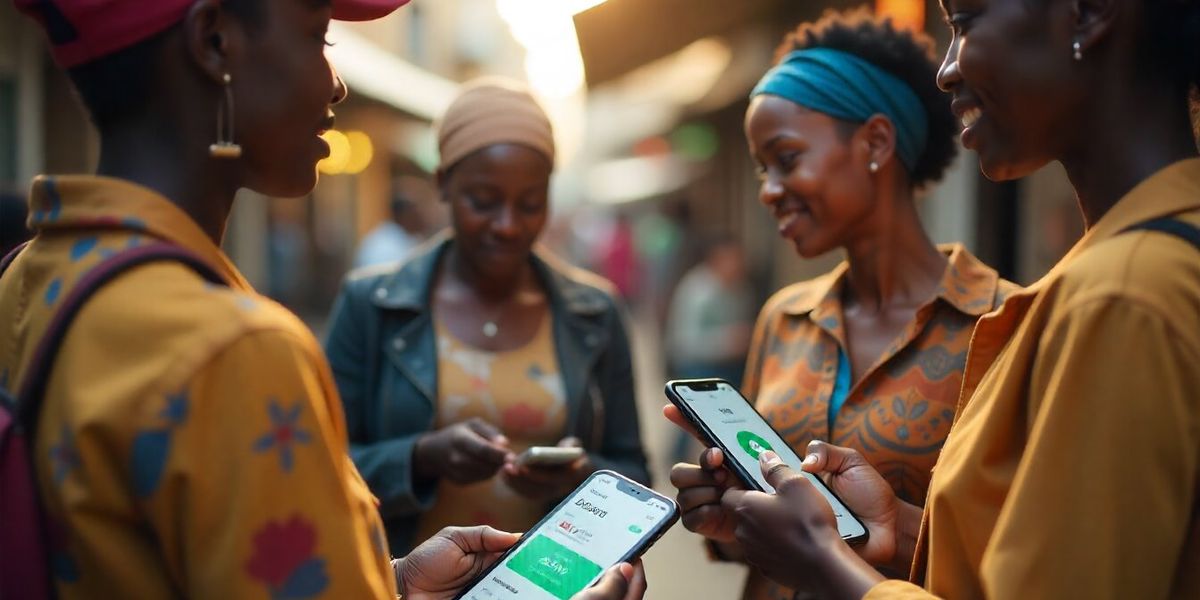
How Fintech Is Empowering African Women

Deborah Osifeso
Click to view profile
Africa’s fintech growth is often framed around funding rounds, rapid user adoption, and expanding markets. Yet one of its most meaningful effects is unfolding quietly as women gain new ways to earn, save, and control money. Financial technology is altering daily economic behaviour in ways that traditional banking systems never fully achieved.
For African women, this shift is not abstract. It touches household stability, business continuity, and long-term financial confidence. Fintech has become a practical tool that responds to lived realities rather than idealised banking models, creating access where exclusion once felt permanent.
Financial Inclusion Beyond the Bank Branch
For years, formal financial services were out of reach for many African women due to distance, documentation demands, and social constraints. Fintech altered that access point by shifting finance from physical branches to mobile phones, allowing women to enter the system on their own terms.
The scale of this change is clear in global data. The World Bank’s Global Findex 2024 reports that mobile money account ownership among women in Sub-Saharan Africa reached 73%, up from 37% in 2011, marking one of the fastest expansions of financial inclusion worldwide.
Powering Women-Led Small Businesses
Women-led micro and small enterprises dominate informal commerce across Africa, yet access to credit has remained limited. Fintech platforms are addressing this gap by using transaction histories and alternative data to assess creditworthiness without traditional collateral.
In Cameroon, women’s ownership of financial accounts rose from about 30% in 2017 to nearly 49% by 2021, driven largely by the adoption of mobile money among traders and small business owners.
Women Building Africa’s Fintech Companies
African women are not only beneficiaries of fintech services but also architects of the sector itself. While global tech often struggles with founder diversity, Africa stands out for the proportion of fintech firms launched by women.
Data from Context News shows that 3.2% of African fintech startups are founded solely by women, double the global average of 1.6%.
Everyday Financial Control and Confidence
Fintech has transformed personal finance for women beyond entrepreneurship. Digital wallets allow clearer separation between household spending and personal savings, while mobile payments reduce dependence on cash and informal storage.
Kenya illustrates this shift strongly. National financial inclusion increased from roughly 26% in 2006 to 84% in 2021, largely driven by mobile financial services that reached women previously excluded from formal finance.
Infrastructure Gaps and the Cost of Access
Despite strong adoption, access to fintech remains uneven. Smartphone ownership, data affordability, and network reliability continue to shape who benefits fully from digital financial tools, with women more likely to face these barriers.
A 2025 Guardian report highlights that high mobile data costs disproportionately limit women entrepreneurs in developing regions, restricting consistent use of digital platforms for payments and business operations.
Trends Shaping the Next Phase of Women-Focused Fintech
Several emerging trends are redefining how fintech serves African women. Embedded finance within commerce platforms is simplifying payments, while data-driven credit models are improving access for informal earners.
Community-based digital savings, insurance micro products, and personalised financial tools continue to gain traction. These trends provide updates on how fintech adapts to women’s economic realities while supporting sustainable participation in Africa’s digital economy.
From mobile payments to women-led fintech startups, see how digital finance is expanding opportunities for African women and small businesses.
Follow our website for more Tech-related topics.